2025/26 Grant Recipients
Kiwanyi Health Centre (Uganda)
Sponsor: Susan Zuckerman
Grant Award: $6,400
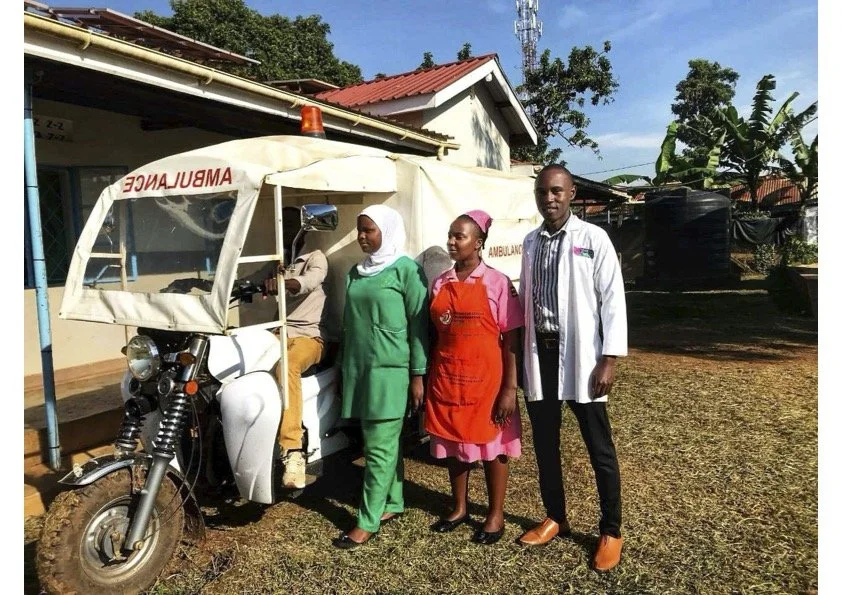
The Challenge: In remote, structurally isolated regions of rural Uganda, pregnant women in labor face catastrophic delays when trying to reach emergency medical care. Traditional transport options are completely non-existent or financially prohibitive, leaving women to walk miles during complicated labor or rely on slow, unsafe transit. This critical gap in rural medical transport is a leading driver of high maternal and newborn mortality rates, turning treatable obstetric complications into preventable tragedies.
The Project: To bridge this life-or-death geographic gap, Jewish Helping Hands provided a $6,400 grant to the Kiwanyi Health Centre to procure and deploy custom-engineered motorcycle ambulances. Specifically adapted for unforgiving, unpaved rural terrain, these specialized motorcycle rigs feature secure, sidecar stretcher configurations designed to transport expectant mothers comfortably and safely under medical supervision.
The Impact: The Kiwanyi Health Centre reports that the motorcycle ambulance fleet is fully operational, deployed, and already driving massive structural shifts in the region. Local communities are experiencing a dramatic, measurable improvement in emergency response times. By establishing a reliable, rapid transport lifeline, this project ensures that geography is no longer a barrier to safe deliveries—actively saving the lives of mothers and newborns across hard-to-reach villages every single week.
Light & Hope Initiative (Kenya)
Sponsor: Aaron Krivitzky
Grant Award: $2,500
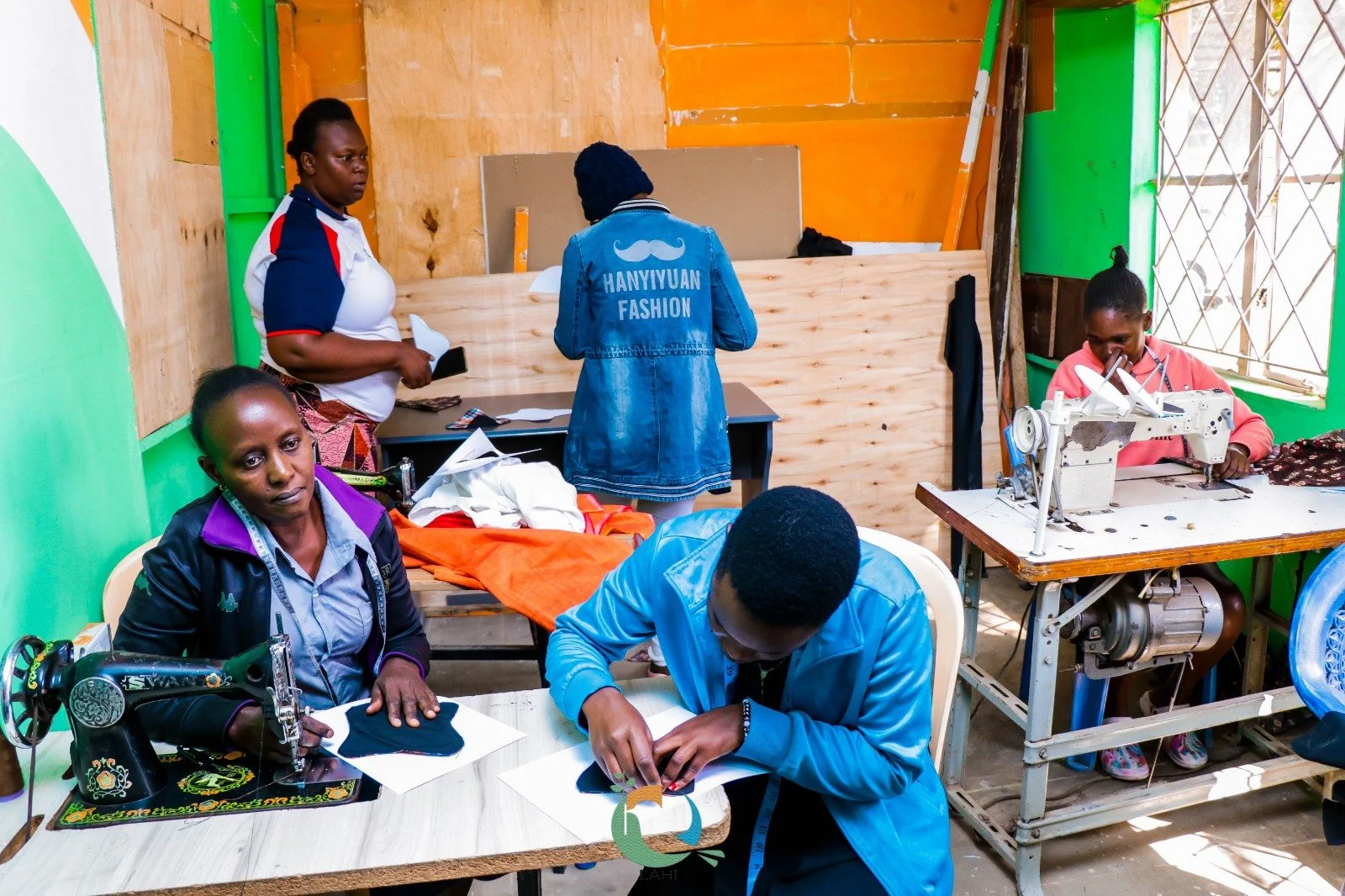
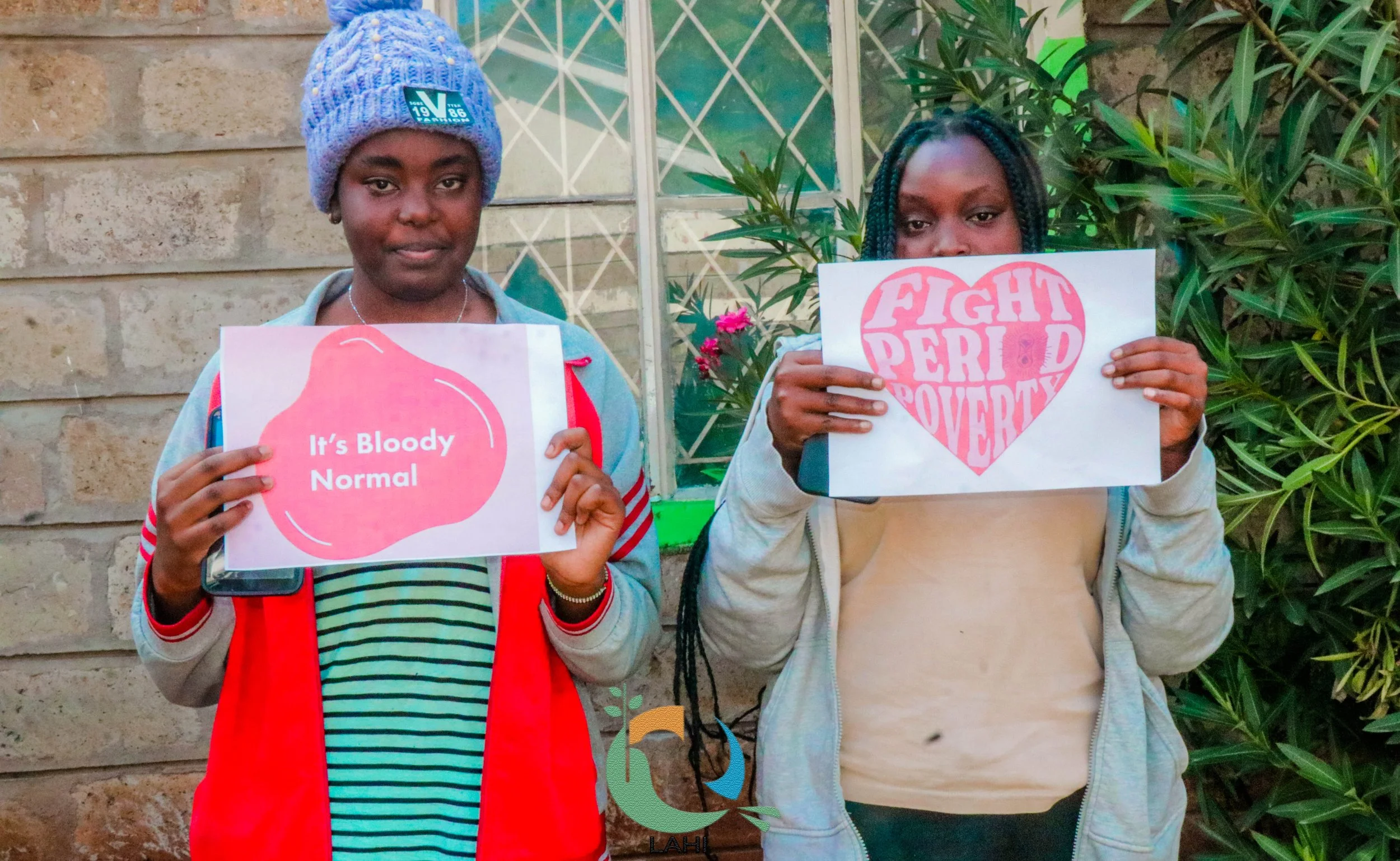
The Challenge: In Nairobi's Mathare Valley settlement, intersecting challenges of deep poverty and systemic menstrual stigma create devastating barriers for women and girls. Over 65% of women and girls in Kenya cannot afford commercial disposable sanitary products, frequently forcing them to use unsafe, unhygienic alternatives like old rags or leaves. This structural "period poverty" forces young girls to miss 3 to 5 days of school every single month, culminating in nearly an entire academic term lost each year.
The Project: The Heshima Kwake (Dignity for Her) project is a grassroots, community-led intervention designed to dismantle period poverty while driving economic independence for vulnerable local women. Operating out of a dedicated skills center, the initiative establishes a sustainable, women-led production ecosystem.
Key project components include:
Local Production: Training at least 200 vulnerable women—including single mothers and survivors of gender-based violence—to manufacture protective, multi-layer reusable sanitary pads.
Peer Mentorship: Organizing graduates into collaborative peer networks where they share best business practices and step into local leadership roles.
Community Dialogues: Leading monthly grassroots awareness campaigns to shatter deep-seated menstrual taboos and deliver accurate reproductive health education.
Mombasa Peace Club (Kenya)
Sponsor: Debra Bennett
Grant Award: $3,000
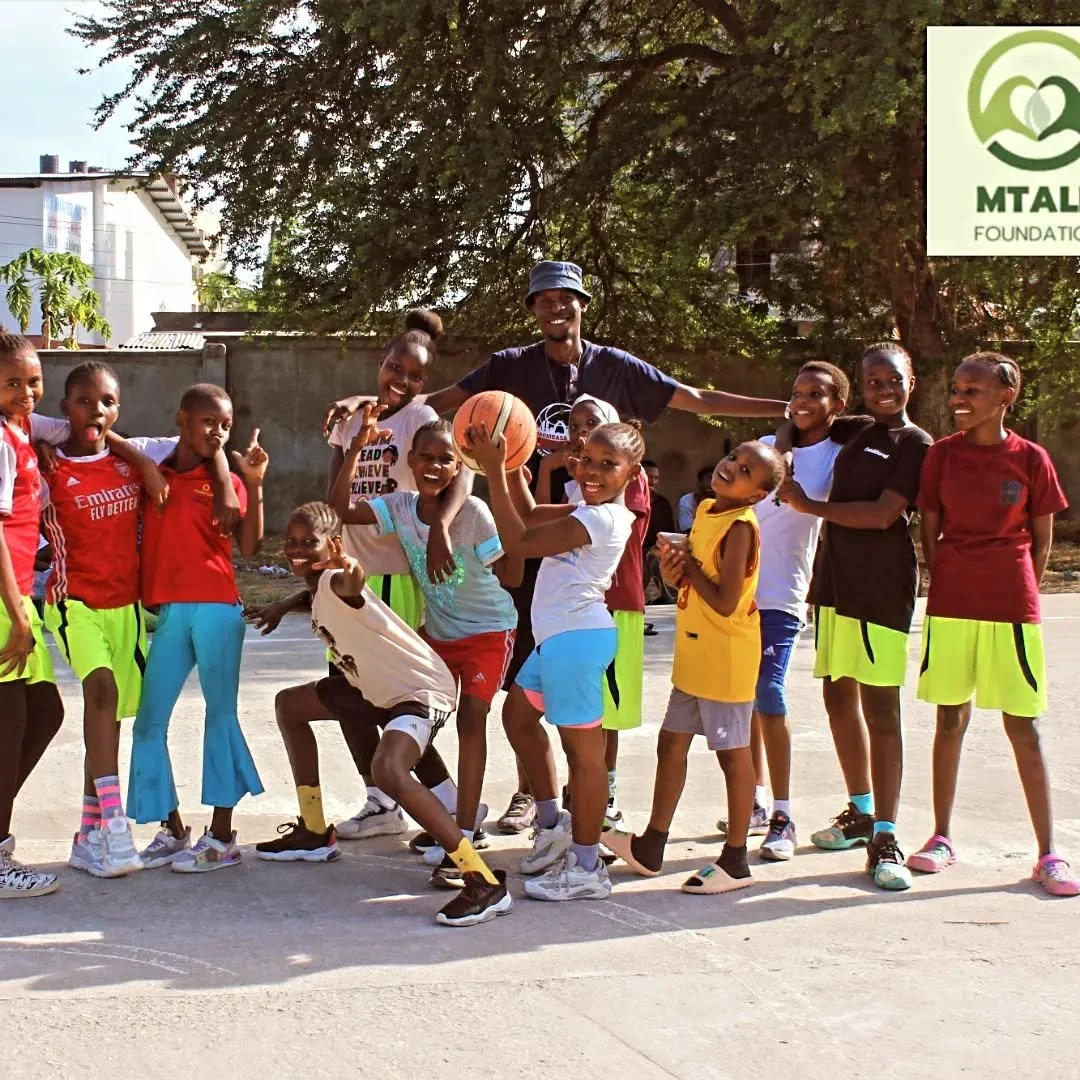
The Challenge: In many marginalized Kenyan communities, children are forced to walk long distances barefoot or in severely damaged footwear to attend school. Without basic shoes, these students face constant exposure to soil-transmitted parasites, sharp debris, and chronic foot infections. The physical discomfort and subsequent illnesses result in high absenteeism rates, hindering children from achieving foundational literacy and escaping cycles of generational poverty.
The Project: Guided by the transformative philosophy of "Peace In, Peace Out," the Mombasa Peace Club is a vibrant, youth-led organization dedicated to cultivating community leadership, structural mentorship, and sustainable development. Jewish Helping Hands has partnered with the club to fully fund their vital Steps of Hope initiative. This targeted project purchases and distributes sturdy new shoes directly to 300 vulnerable school-aged children. Concurrently, the club hosts community workshops for parents, actively training them on the critical linkages between child development, physical foot health, and daily hygiene practices.
The Impact: The Steps of Hope project goes far beyond a simple distribution footprint. By providing 300 children with reliable footwear, the grant effectively eliminates a major vector for childhood disease and a primary cause of school absenteeism. This project builds a literal path forward for these students—protecting their health, restoring their daily comfort, and ensuring they can walk to school safely and focus on their education.
Rambira Women Empowerment Center (Kenya)
Sponsor: Claudia Goldblatt
Grant Award: $4,000
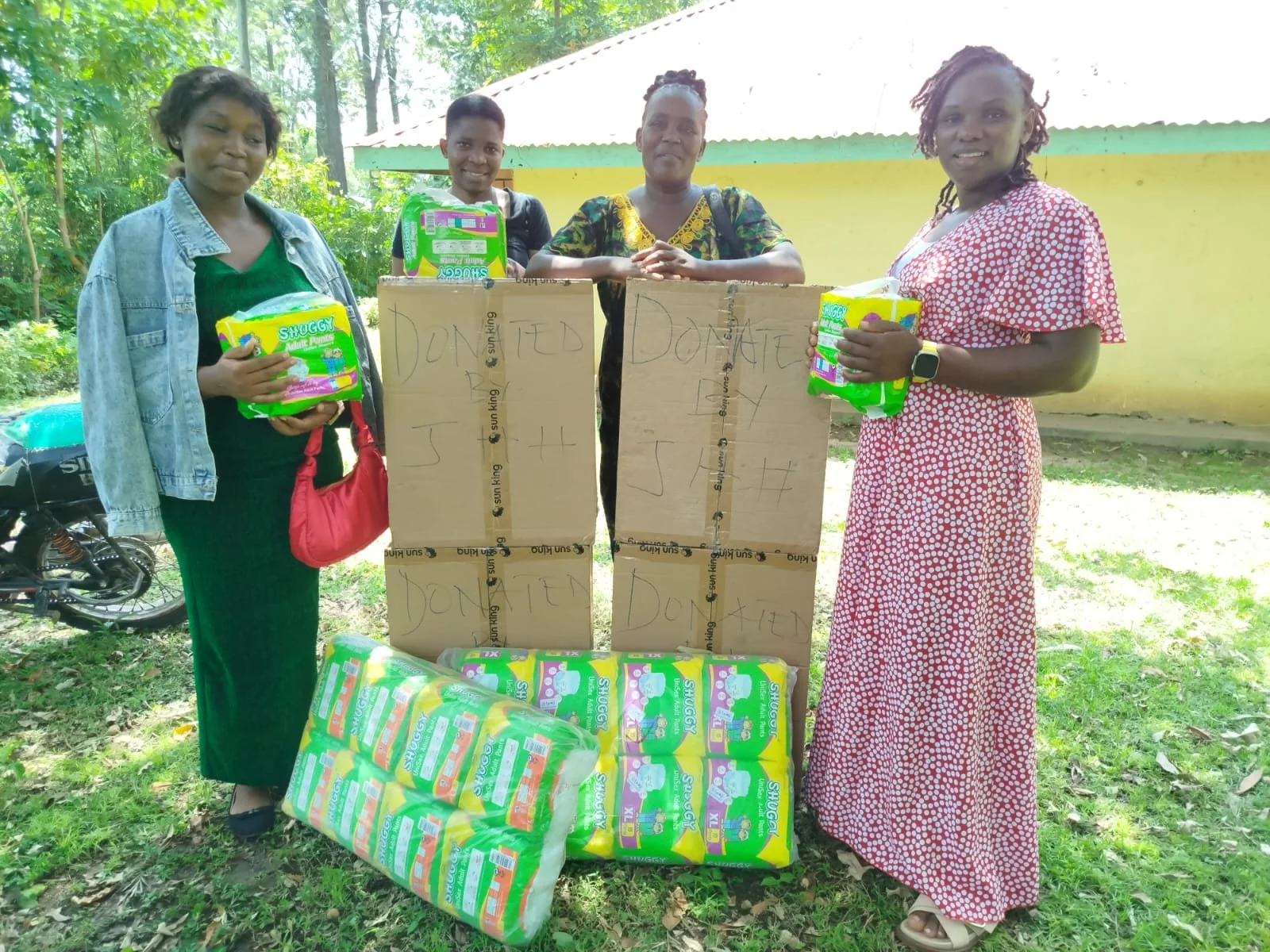
The Challenge: In Kenya's rural Homa Bay County, high rates of HIV/AIDS, advanced cancers, and other terminal illnesses leave many palliative care patients bedridden and suffering from severe incontinence. In these low-income settings, basic hygiene resources are completely out of reach. Families cannot afford specialized medical products like adult diapers, leaving vulnerable, ailing individuals exposed to severe, preventable skin infections, painful friction sores, and a profound, distressing loss of personal dignity during their final stages of life.
The Project: The Rambira Women Empowerment Center (RWEC) is a dedicated grassroots organization providing holistic, compassionate support to marginalized populations in rural Kenya. The Jewish Helping Hands Tikkun Olam grant enables RWEC to systematically purchase and distribute 3,600 packs of premium medical adult diapers to low-income home hospice patients over the course of a year. To guarantee long-term health improvements, the project pairs product distribution with a robust education campaign: local community health volunteers step into homes to train family caregivers on infection prevention, hygienic patient rotation, and safe, sanitary product disposal.
The Impact: This targeted distribution of 3,600 diaper packs delivers immediate relief to suffering families. By providing proper containment and clinical training, the project prevents painful secondary infections and eases the immense physical burden placed on local home caregivers. Most importantly, the intervention brings profound comfort and restores fundamental human dignity to individuals facing severe illness, honoring their humanity when they are at their most vulnerable.
Ongoing Project Updates (2025/26)
ISRAEL
Zichron Group: Continued support meeting the immediate needs of unrecognized immigrants from Eritrea, South Sudan, and other countries who receive no government benefits.
Bridges of Hope, Rabbi Edgar Nof: JHH provided annual support for 2025 and 2026 to help families affected by the war. We also funded a Memorial Coffee Cafe Cart in memory of Sigal, a 31-year-old murdered on October 7th, with profits going to support people with autism.
Tenufa Bakehila: Funded the repair of three homes in the north of Israel.
Tel Aviv Street Medicine: Continued our regular support, along with medical student scholarships, for teams bringing care directly to people in Israel's poorest neighborhoods.
Rebuilding Alliance: Provided food for families in Gaza.
Shamsuna: Built a safe room for Bedouin families living on the Gaza periphery.
ASSAF: Continued support for refugees and asylum seekers in Israel, helping especially Ukrainian refugees.
Resiliency Projects
100 Dagim: resilience through music with the Dag Nachash band.
Ruca's Farm: agriculture as a path to resilience.
Yahel: the Dana Talmi Emergency Campaign, meeting the immediate needs of those, especially children, sheltering in public shelters and underground parking lots converted into them.
Daniel Centers, Tel Aviv: the Olim Resiliency Fund for new immigrants.
Economic Empowerment for Women: Continued support for struggling Israeli-Ethiopian businesses.
Rishon LeZion Municipality / Efrat: Funded emergency response after the Iran attack and a range of resilience programming, including a yoga "train the trainers" initiative, the first of three payments toward a Music Center for Disabled Youth, and the Heart2Heart Purim resilience project.
African Refugee Development Center: Professional training courses, including web design and coding, for African asylum seekers in Israel.
Yad Elie: Feeding Jewish and Arab schoolchildren in Jerusalem.
Hands of Mothers: Funded a three-day "Safeguarding Health and Futures" program for 100 adolescents at risk of early pregnancy, HIV infection, and dropping out of school. The program has produced no new pregnancies or HIV infections since it began.
RWANDA / UGANDA
MindLeaps: A dance-based education project across Rwanda and Uganda. In Rwanda, JHH completed year five of five of the Jewish Helping Hands Digital Learning Lab, alongside school sponsorships and the replacement of six computers; in Uganda, funding supported English clubs, computers, and a dance floor.
Kenneth Projects, Rwanda: Led by an OB-GYN, this project supported Christophe's sewing program (which has now helped 100 women) and widows' home repairs. The 2026 grant funds 30 AVEGA widows, 1,400 units of baby formula, and protein for 18,000 new mothers.
Imagine Her, Uganda: A launchpad for out-of-school young women and youth innovators in rural communities to start businesses and drive sustainable local growth, including start-up support for two graduate entrepreneurs.
Oasis of Life Orphanage: Provides food, rent, and tuition for 55 children in Kampala, Uganda.
UNITED STATES
AFYA: Sent medical supplies to Ukraine.
Asheville Habitat for Humanity: Funded a new home foundation after a planned build was cancelled.
OTHER GRANTS
Follow Your Dreams / Arun's Kids: Provided food, uniforms, shoes, and school supplies for eight students in Cambodia.
JCC Krakow: Support for Ukraine.
Hunger Relief International: Clean water for communities in Haiti.